On writing
Cumberland Terrace:
A Piece of Toronto That Found
Its Way Into Meeks
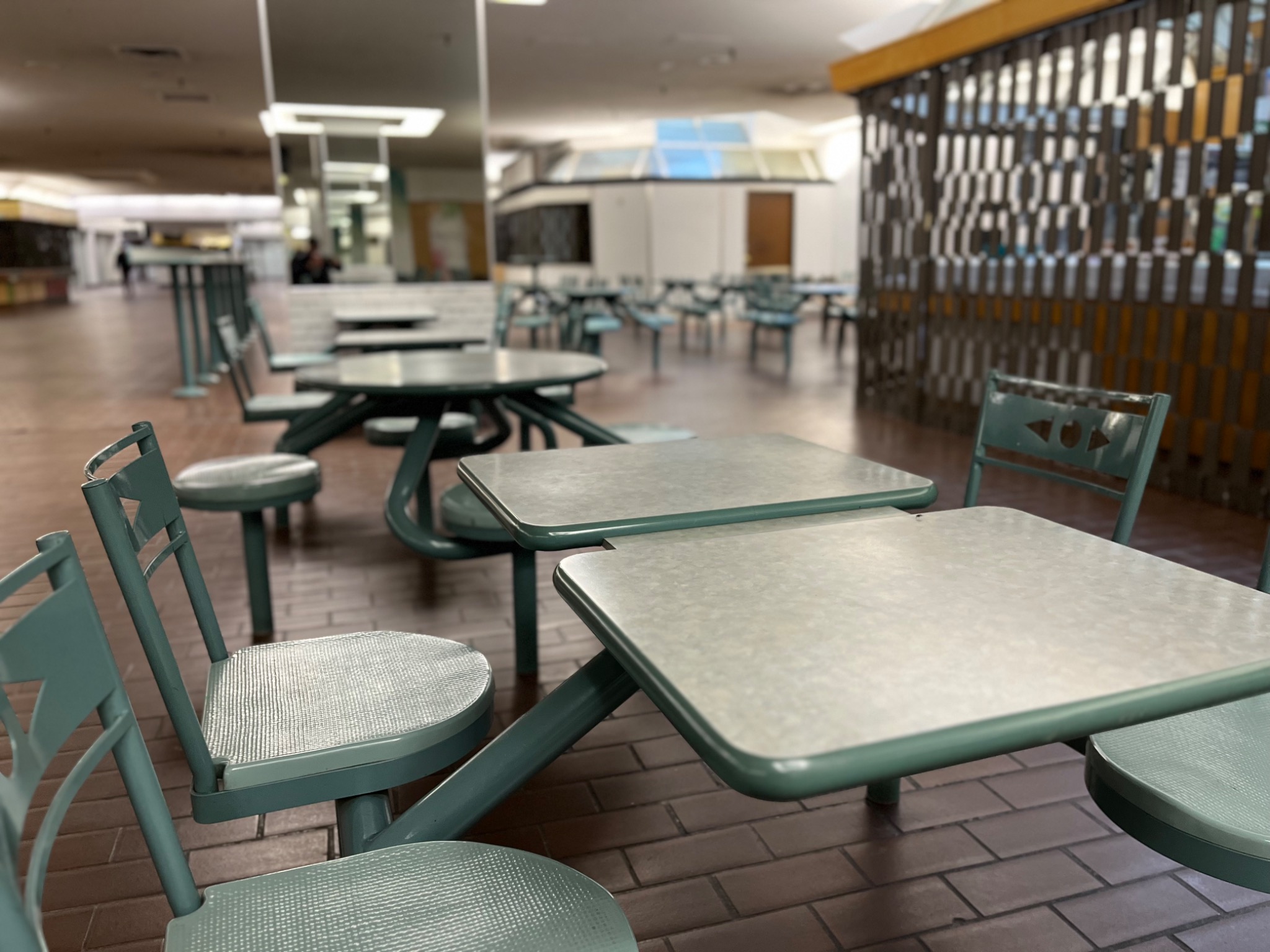
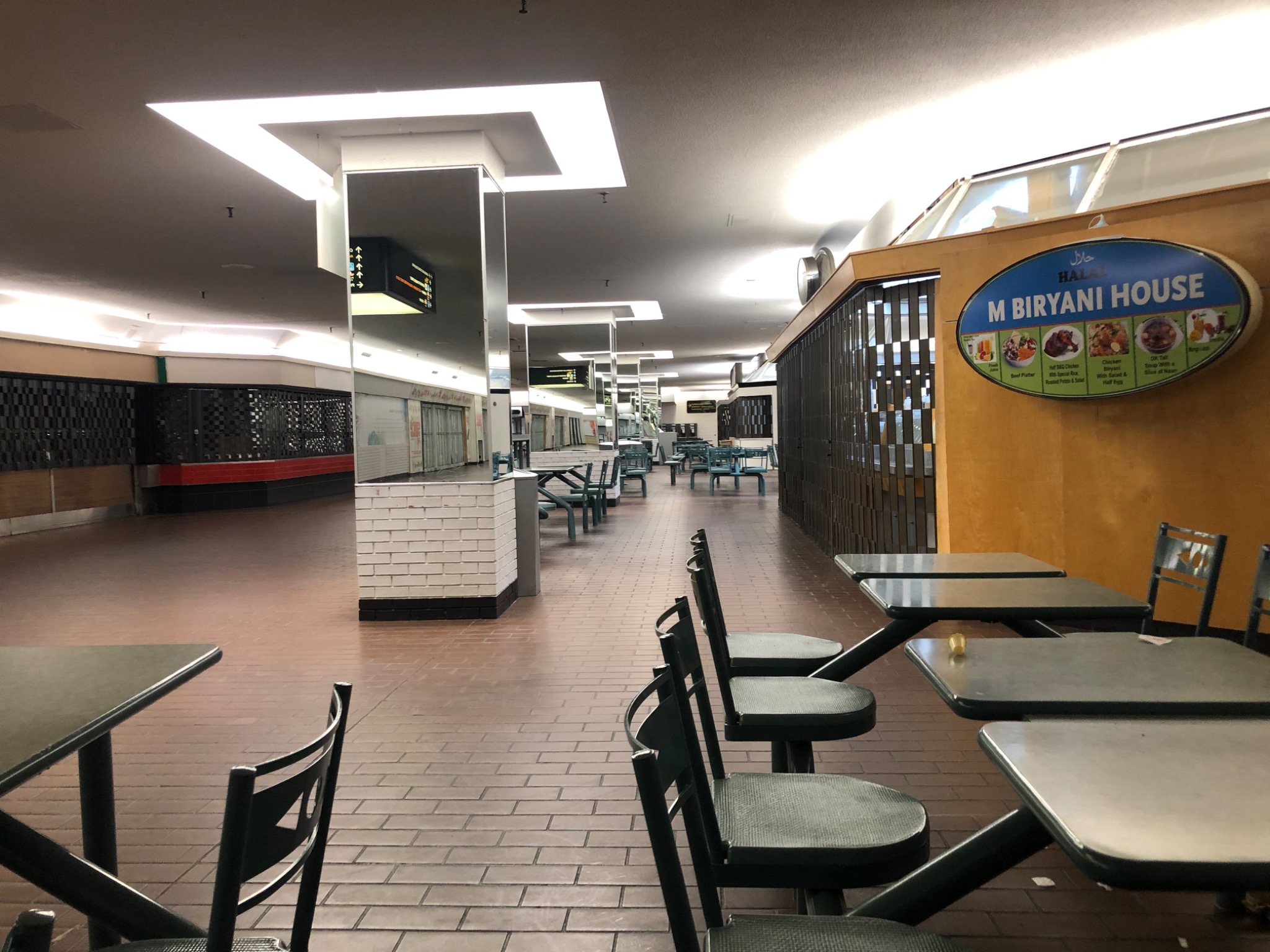
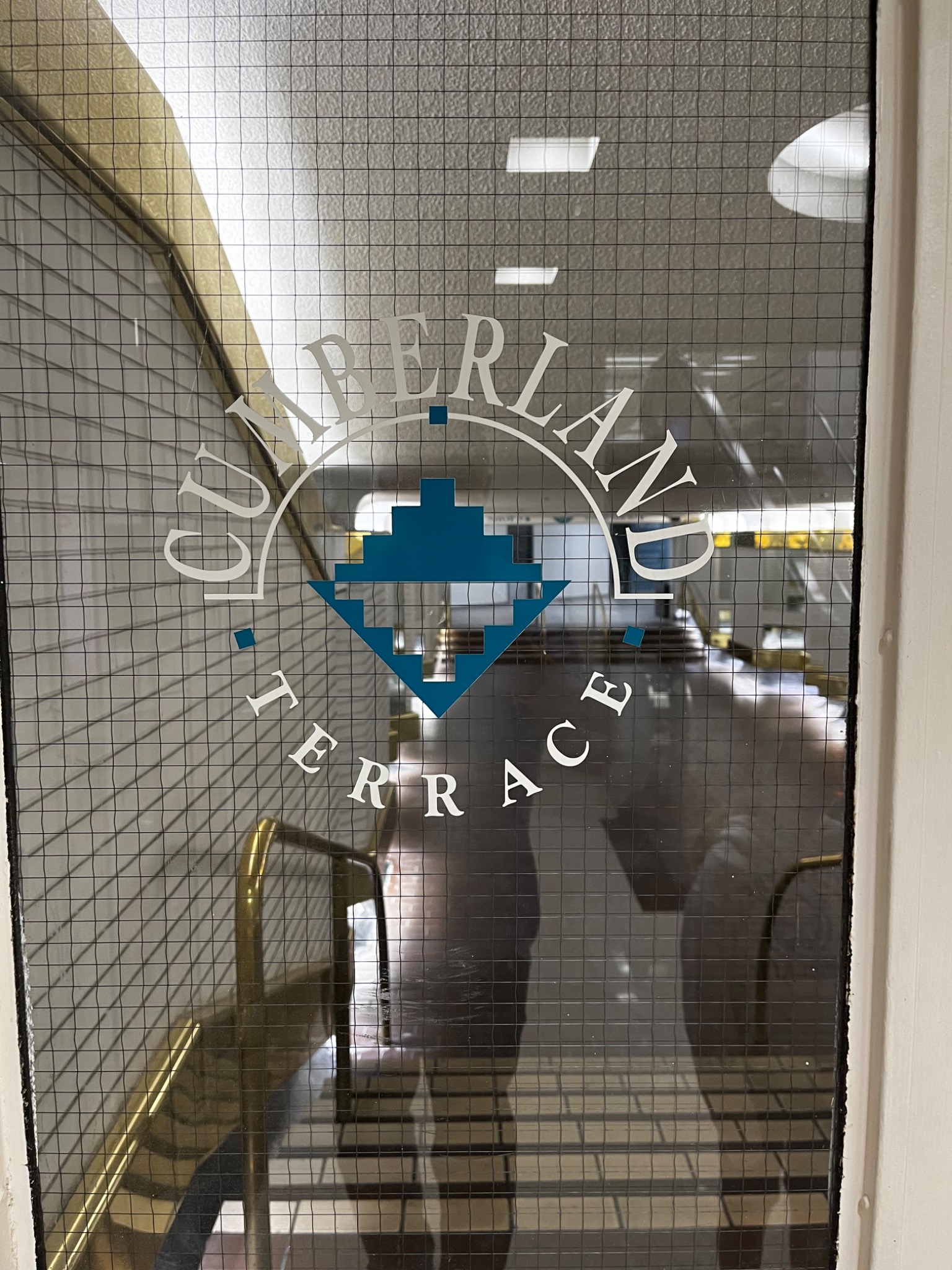
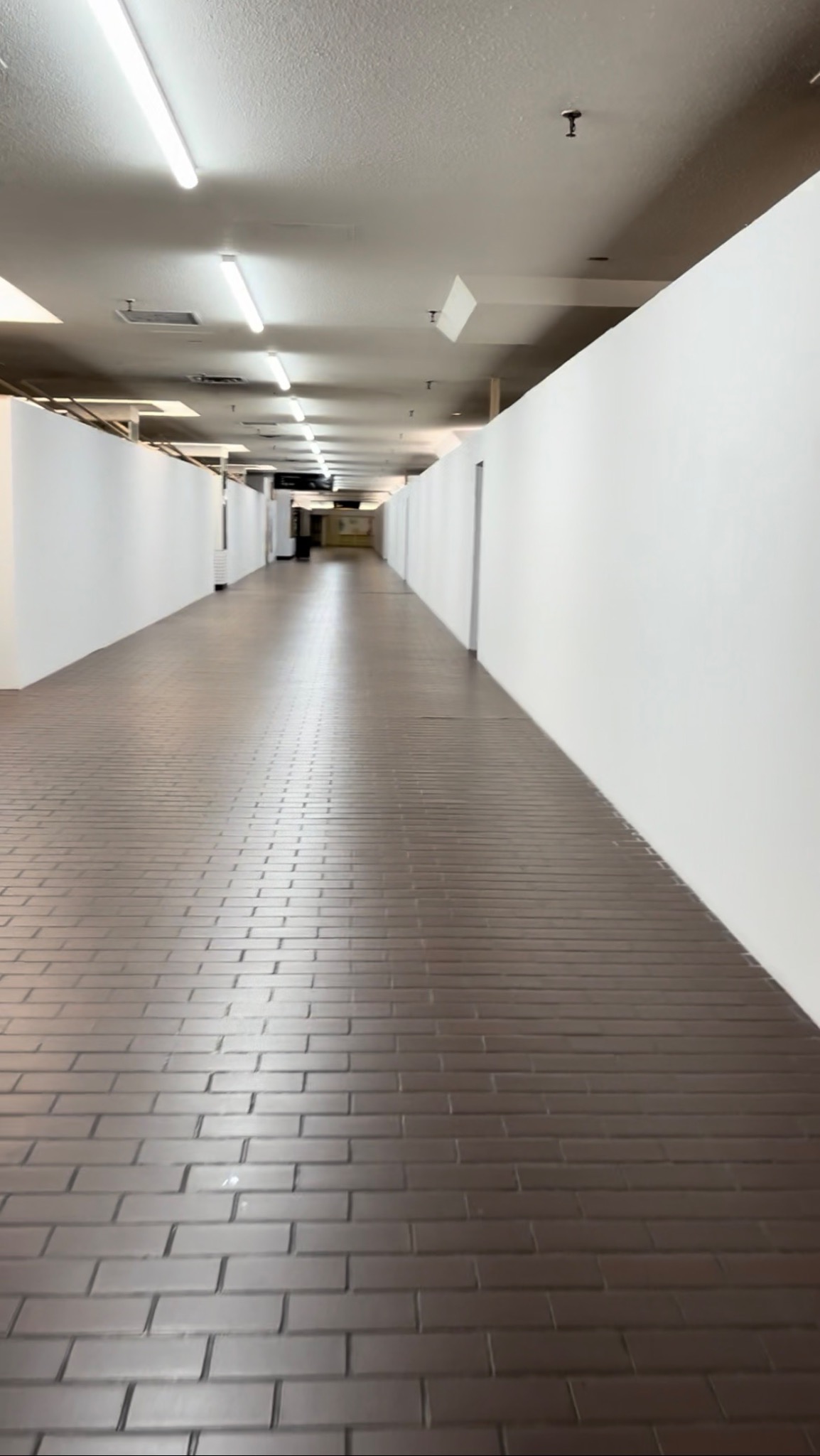
Cumberland Terrace was a place I knew well growing up in Toronto, and it eventually found its way into Chapter 36 of Meeks.
From Meeks, Chapter 36
Leigh's legs, weary and battered by the relentless march from Jimmy’s house, finally gave up the ghost and surrendered to a table in the narrow expanse of the Cumberland Terrace food court. Leigh was an experienced shopping mall wayfarer. He had wasted a good many hours he might have otherwise been productive wandering giant hallways and dining in food courts. There was something safe about a shopping mall for Leigh. It was a place he couldn’t be found.
Cumberland Terrace is an odd place, a relic of the seventies when concrete monstrosities were the architectural norm. The upper floor was practically deserted, save for the odd caretaker who still cared enough to water the plants that continued to flourish in large wooden planters permanently situated between the long wooden benches that overlooked Cumberland Avenue.
Buried deep in the basement just beyond the rumbling and screeching trains of Bay subway station, the food court itself was spread out like an elongated bowling alley, a twisted caricature of what it once was, its vibrance long since replaced by the cold, sterile glow of worn-out fluorescent lighting. Food kiosks lined up where the gutters should have been, forgotten enterprises that failed to keep up with the times, like an ‘80s hangover. A pizza joint, a bagel place, chicken teriyaki and mall sushi. The city had often hinted at a full demolition to make way for new condo towers and a modern shopping experience but had yet to make good on that promise.
The metal tables, scattered and abandoned, were testimony to an era of hustle and bustle that had long since retreated. If you squinted just right, you could almost see the spectral figures of weekend shoppers huddled over their trays of food court fare. But the tables now were deserted. It was late. At best, Leigh had seen four, maybe five souls wander in here. He felt their eyes on him.
Leigh was still able to pass as one of them. The stolen oversized hoodie and the gym bag from Jimmy's still gave him the air of a midnight rambler rather than a man on the cusp of homelessness. But he knew in his gut that this was a disguise that wouldn't last. There was a strange sense of safety in this anonymity.
Leigh hoisted the stolen gym bag over his shoulder and dragged himself one more time through the halls of the Cumberland Terrace, like a spirit unwilling to leave the world of the living. But the mall eventually spat him out onto Yonge Street, across from the Toronto Reference Library. Out there, without the lonesome comfort of the mall's shelter, he was exposed and ready.
I first visited Cumberland Terrace with my parents in the 1970s. I remember the Radio Shack, the food court, and a café adjacent to it. I think it was called The Streetcar. There was a waiter who looked remarkably like Harrison Ford. I'd recently seen Star Wars at the Manulife Centre, so Harrison Ford was very much on my young and impressionable mind.
By the 1980s, the food court was bustling. By the time I was writing Meeks, it was almost deserted.
While working on the novel, I revisited many of its Toronto locations, taking photographs and video as I wrote. Cumberland Terrace was one of them. I kept photographing it over the years, partly because I suspected it might not be around much longer.
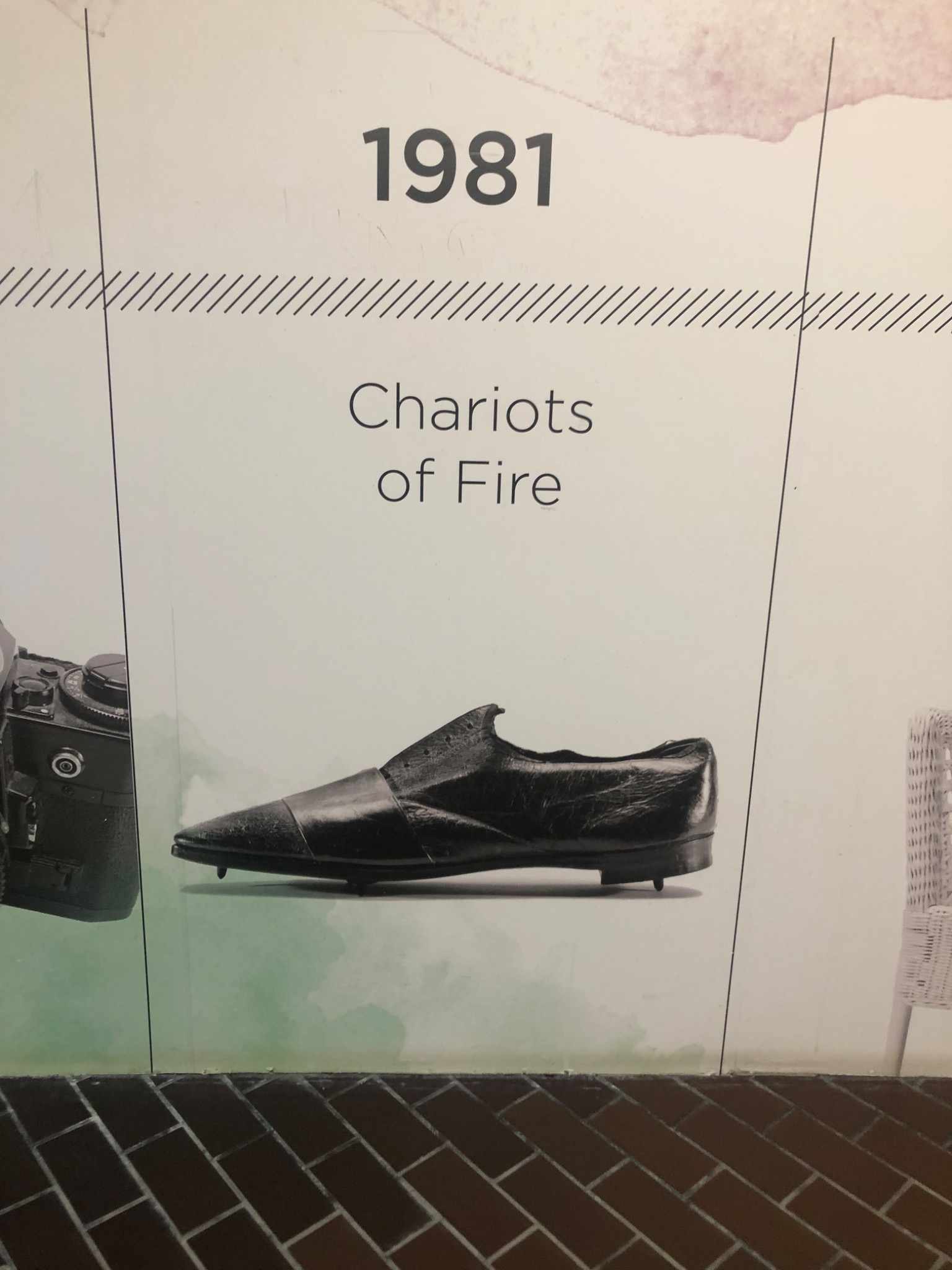
For years, one of the more interesting features of the food court was a Toronto International Film Festival (TIFF) display featuring posters from past award-winning films, including Chariots of Fire.
The last time I was there, the food court was inaccessible. White drywall lined the corridor, and the TIFF display was gone.
As it turns out, the photographs have outlasted the food court.
And there will always be a version of it in Meeks, which, if for no other reason, I'm happy about.