On writing
How Much Does the Reader Need to Know?
What I left out of Meeks, what readers wanted to know, and why I eventually let Ranleigh tell his own story.
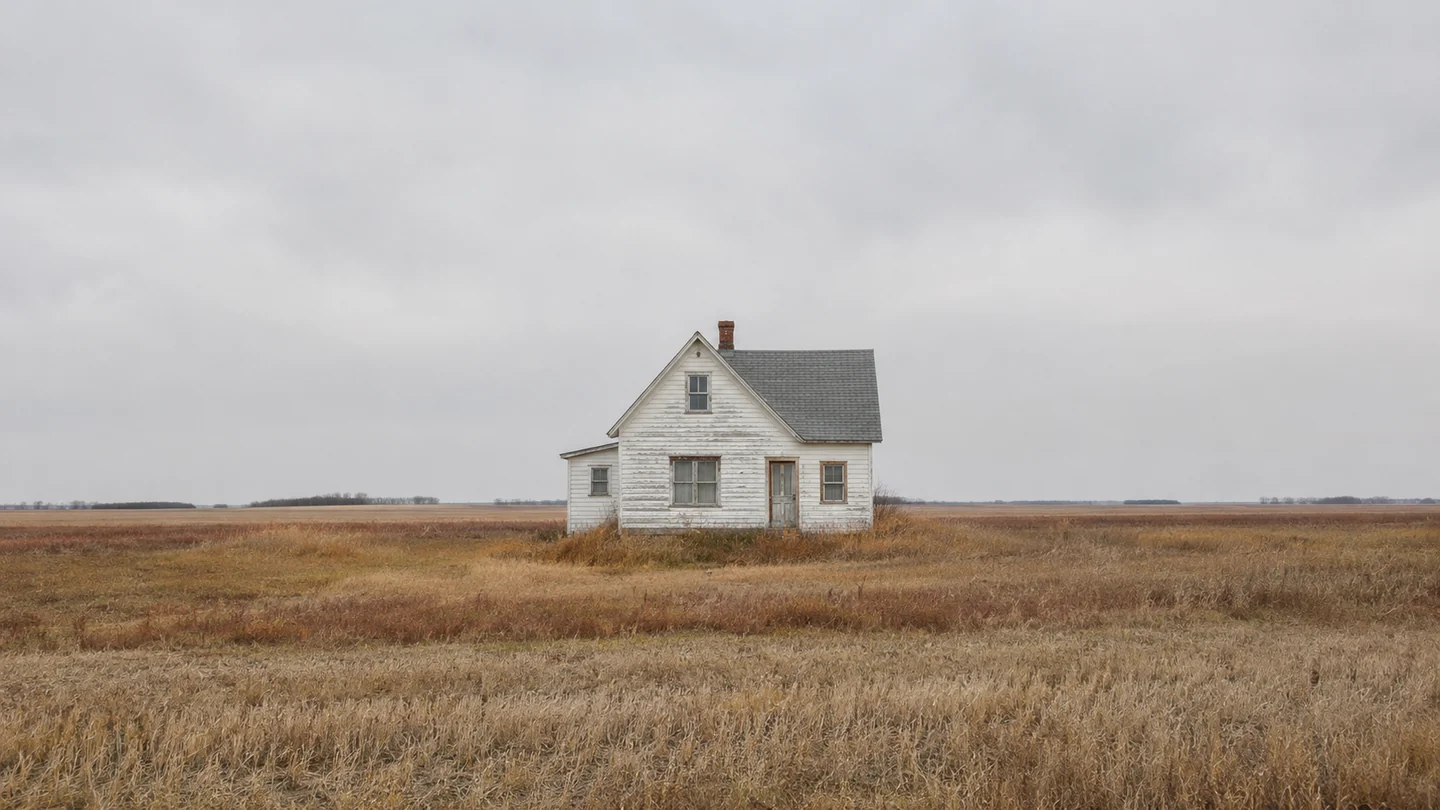
In Meeks, there’s a scene where Ranleigh is a kid and his grandmother drives him to her friend Verna Hewitt’s house. They’re going to the local travelling rodeo. His grandmother waits in the car while he goes to get Verna, and Verna invites him in while she gets her things together. Then she starts a very bizarre conversation with him. I think on some level he’s starting to put things together. I’ll leave it there. The point is that he’s taking in a good deal more than an adult might expect him to.
When I first imagined the story, I hadn’t got that far with Ranleigh. I had a plot and I needed somebody to carry it. He was more of a device for telling the story. Once I got a sense of him as a person, I understood that he was fiercely intelligent and a lot savvier than people might immediately recognize. The scene with Verna gave me a chance to show a little of that. He can be a kid sent to fetch somebody while his grandmother waits in the car and still have some idea that there’s more going on in the room than he’s being told.
There was quite a bit more about his childhood in the early drafts. I got into what it was like for him to go to school and some of the things he was struggling with there. I thought that material belonged in the story of Ranleigh Meeks. I still think it did. But when I read those parts again, I could feel the plot slow down. I had to decide how much of his childhood I needed to get into right then. In the end I kept a couple of days in 1979 when he goes to visit his grandmother on the prairie. That’s about as much of his childhood as you get in Meeks.
I didn’t know at that point whether there would be another book. I might never get to the school material again. I could be interested in a passage about his school days and still find myself waiting for the story to get going again. That was enough to tell me it had to come out. In those few days with his grandmother, I could show you something about him while he was doing something as ordinary as going to pick up Verna. I could live with leaving some questions about him open.
What kept me feeling for Ranleigh was his heart. He’s in a difficult position in his day-to-day life. You get a sense that his childhood wasn’t the greatest, and he has every right to be angry. He hasn’t become bitter. There’s still some optimism in him, which I think is part of what makes his situation hard to watch. He can imagine things getting better for himself. Money, status, recognition, a day without crippling anxiety. I think we all have some idea of what would make our lives better. Sometimes you get a bit of what you wanted and find there’s an emptiness to it. It’s hard to see that when you’re still desperate to get there.
A choice can make perfect sense to Ranleigh in the short term. He’s dealing with addiction and crippling anxiety. I don’t directly address why he is the way he is. You can see what he’s up against on an ordinary day and understand why he’d go for something that makes the day a little easier. I didn’t have to go all the way back to his childhood to account for the decision he was making now.
As a reader, you’re hopefully in a better position than he is. You can see the trouble coming while he’s still thinking about the immediate relief. If I’ve shown you enough to see both things at once, I can let him make the choice and get on with the story. You’ll see what it costs him soon enough. The tension for me is in seeing him go ahead with it when you know where it could lead.
There were a couple of points where I wanted to pull him out of the tailspin. I knew generally where the story was going, so that just wasn’t in the cards. Still, it was difficult at times to have him careen towards the bottom. I’d spent enough time with him to feel for him. If I stepped in and gave him an easier way out because I was having a hard time watching him, I’d be changing the story for my own sake. I had to let it get as bad as it needed to get.
I worried a little that readers might have no sympathy for him or understand him at all. Mostly I was counting on the plot to carry them through. Meeks was a plot-driven enterprise. Developing Ranleigh as a character wasn’t first and foremost in my mind every time I sat down to write. I was trying to keep the story going. So I was somewhat surprised later, reading the reviews, by how much empathy some readers had for him. Here they were, asking why he was the way he was.
That was one of the most consistent bits of feedback I got. People wanted to know more about his childhood. There was a certain irony in that. I’d put more of his childhood in the book and then taken it out because I thought it slowed things down. Here were readers who’d gone all the way through the book and wanted to go back and spend more time there. They’d already spent a whole book with the man he grew up to be.
When I got to The Ranleigh Tapes, I knew I wanted to get into those questions. I didn’t want to write Meeks Part Two. I’d already written that kind of book and I’d have been too bored doing the same thing again. It made all kinds of sense to me to let him tell it himself. He’s in a treatment facility, in recovery, and he’s working through the fourth and fifth steps with his sponsor. He has a reason to sit there and look back.
So I went from a big, broad, plot-driven book to Ranleigh and his sponsor sitting at a table. I collapsed it right down. There’s something claustrophobic about spending that much time in a room with one man telling you about his childhood. I wrote the book at a workbench in the garage out back. I didn’t realize till later that the garage might have helped with the claustrophobia. It certainly gave the whole thing a different atmosphere from the writing nook in the house.
In the first book I wouldn’t have trusted his account of himself. In the second, I trusted him to tell the story of his childhood as honestly as he could. He’s trying his absolute best to do the steps, and I wrote it as an honest inventory. He’s telling his sponsor what he remembers and what he makes of it now. There are still some surprises. I think there’s room for that even when somebody is doing his best to tell you the truth.
When you’re watching somebody in trouble, there’s a point where you start thinking about what he’ll do next. You can have a fair idea that it’s going to go badly and still want to see what happens. At the table I was more interested in what Ranleigh would be able to say about what had already happened. He had a reason to be there and someone to talk to. I could get a book out of that, even though I’d needed a much bigger plot to get him on the page in the first place.
The change in form gave me a way back into his childhood. In the first book that meant stopping the story to go back over it. In the second book, going back over his childhood was what he had sat down to do. I could spend time on things that would have held up the first novel because now there was a man across the table who had to hear them. And Ranleigh had to say them. That gave the material somewhere to go. I could let him take his time with it and still feel that the book was moving.
If somebody asked me how to make a flawed character believable, I’d tell them the simplest way to get somebody to believe you is to tell the truth. I’d pay attention to the truth of the character, as much of it as you can dig up. I wouldn’t shy away from the flaws or try to do a Hollywood version of them. Once you start curating the flaws, you can make somebody a little easier to spend time with. You can also lose the part that makes you recognize him.
I think of Ranleigh as the kid in Verna’s house and the man at the table. I knew more about that kid than I could use in Meeks. A couple of days on the prairie gave me what I needed for that book. At the table, I could give him time to talk about some of the things I’d passed over. It took me two books to find out how much I had to say about him.