On writing
I Didn't Start Writing Fiction
Until I Was 50
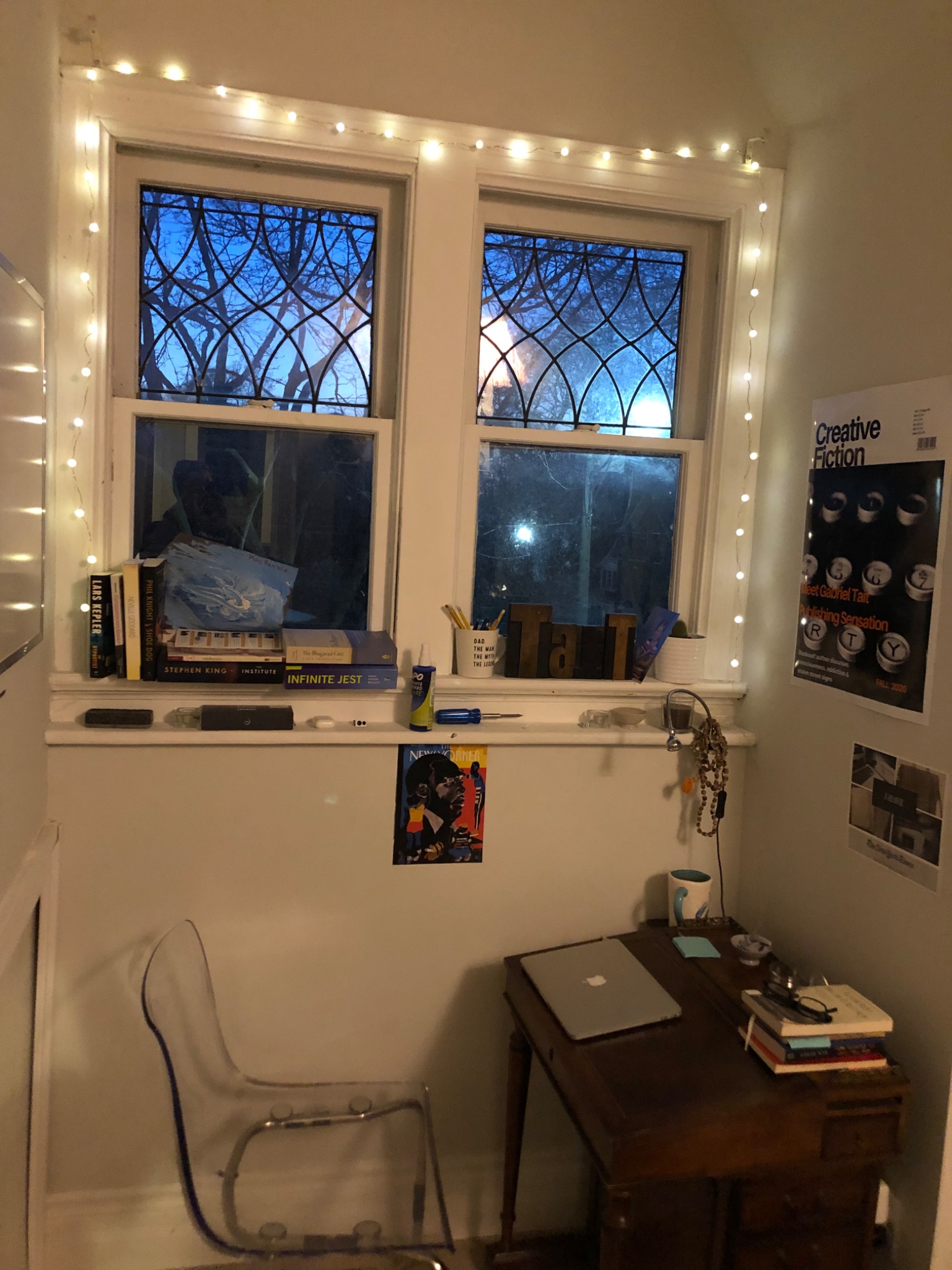
It was just before COVID, and I was thinking about what I might want to do next.
I wouldn't call it a midlife crisis. I don't subscribe to those. I simply wanted to do something completely unexpected. A left turn. Something I'd never done before. Something that would surprise my family, but more importantly, surprise me.
When I was about 20, I'd had an idea for a story. It wasn't particularly developed, but it had a good hook and a strong pivot. Those were the things that attracted me to it in the first place.
I carried that idea around for the next 30 years without doing anything about it.
A year or two before I started writing, I'd told my children about the story. They thought it sounded interesting and encouraged me to write it.
So when I began thinking about doing something completely different, the idea was already there.
And so I sat down to write a novel.
The first thing I did was reread Stephen King's On Writing. I figured that if I followed his advice closely enough, I might actually make it through a first draft.
The novel's original working title was The Desert. It would eventually become Meeks.
I didn't have a detailed outline. I didn't really know who Ranleigh Meeks was. The story, the characters and the structure developed as I went along.
There were Post-it notes everywhere around my writing desk, mostly to keep the timelines straight. The novel moves through different periods, and I knew that if I lost control of the chronology, the whole thing could become very confusing.
I started writing in October and finished the first draft in May.
It was around 130,000 words.
I remember having the manuscript printed. There was something quite satisfying about holding the thing in my hands. But I didn't experience some grand, Hollywood-style sense of accomplishment. I'd finished something, certainly, but I also knew there was more work ahead.
Following King's advice, I put the manuscript away for six weeks. I didn't touch it, read it or think about it.
When I finally picked it up again, something peculiar happened.
Parts of it felt as though somebody else had written them.
There were passages I thought were surprisingly good. Others were almost laughably bad. I found the experience quite amusing, actually.
But the bones were there.
Over the next several drafts, I chipped away at the novel. Characters disappeared. Settings changed. Cities changed. I cut material and reworked the structure.
I didn't hire an editor or copy editor. Rightly or wrongly, I trusted my own judgment. I know a good book when I see one, and I tried to remain as objective as possible about what I'd written.
It took around six drafts to finish.
When I published Meeks, I thought that was the end of Ranleigh's story.
But something unexpected happened.
Readers began asking about his childhood, a period I'd deliberately left largely unexplored. Their curiosity made me realize there was another part of his story worth telling.
That became The Ranleigh Tapes.
And somewhere along the way, I began to see how a third book, Echo, could complete the story.
What I never anticipated was how readers would respond to the underlying themes.
Meeks is, in many ways, an allegory for addiction. Some readers have told me the novel challenged their assumptions about addiction or made them reconsider how they viewed family members. Others, particularly people in recovery, have told me that I got it right.
Those responses mean an enormous amount to me.
These are people I don't know. We've never met. I have no idea who they are beyond the words they've shared about the book.
And yet something I wrote has touched them.
That's been the top of the mountain for me.
I began writing because I wanted to do something that would surprise me.
I never imagined I'd be writing a trilogy.
But I've become attached to Ranleigh Meeks over the years. I know him considerably better than I did when I first sat down at that desk.
And now I want to finish telling his story.